How much does residential mold removal cost?
Many U.S. jobs run from about $500 for a small spot to $10,000 or more for large, multi-room damage. Access, materials, and containment affect the price, so get a written quote.
Request an estimate from a local provider
Finding mold in your home is upsetting, but it is a problem with clear steps. Residential mold remediation means a local provider contains the affected area, removes the growth, cleans the surrounding space, and helps you spot why the moisture came back.
Anthonyspent Mold Help is a referral service. We do not do the work. We connect you with independent providers in our network who serve Aurora and the Aurora area. You can compare written quotes, ask questions, and decide at your own pace. This page explains what drives the price, what the job usually includes, and what to ask before anyone starts. Know your options first, then take the next step.
Take a breath. Mold is common, and it is fixable. Most homes in the Aurora area deal with some moisture at one time or another, especially with spring flooding and humid summers.
First, stay out of the affected room if you can. Do not scrub it or blast it with a fan. That can spread spores to other rooms. Then pick your next step.
Mold needs moisture, a food source, and time. Drywall, wood framing, carpet, and cardboard all work as food. Once they stay damp, growth can spread across a wall or ceiling.
A small patch today can turn into a larger job later. That usually means a bigger quote. Acting early often keeps the job smaller and the bill lower in the long run, but you still do not need to rush into a bad deal.
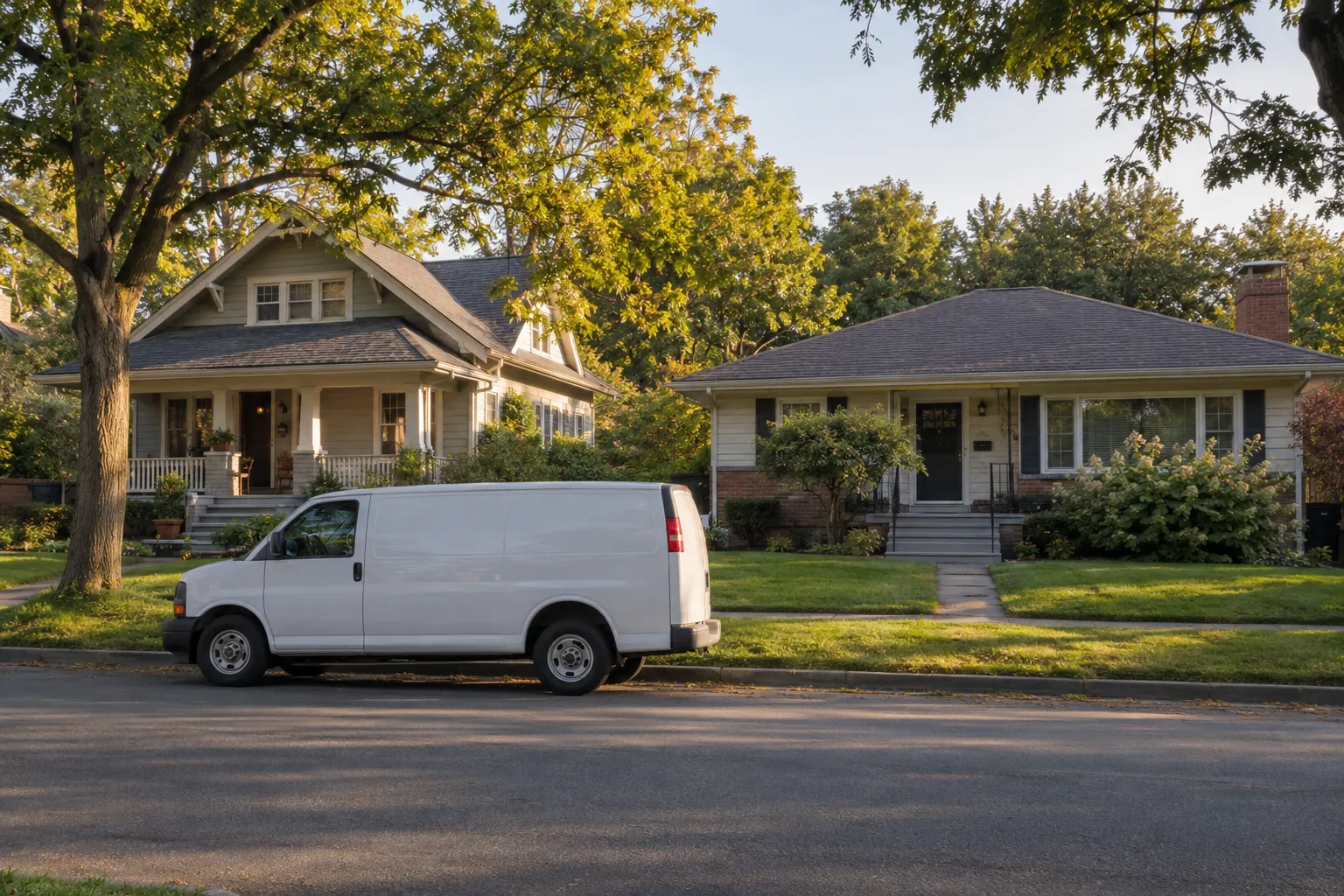
Full basements with sump pumps are common in this region. So are older frame houses, bungalows, and ranch homes. Cold winters with deep frost can leave condensation behind walls and in crawl spaces. Hot, humid summers add more.
Look at basement corners, around the sump pit, attic roof decks, and window frames. Musty smells are a clue, even when you see nothing. Check behind furniture that sits against an outside wall, too. Air stays still there, and damp spots can go unnoticed for months.
The exact steps vary by provider and by job. Most follow a similar path:
Ask each provider to list these steps in the written quote.
Containment keeps spores where they are. Providers often use plastic sheeting and negative air machines with HEPA filters. Air is pulled out of the work zone, not pushed into the rest of your home.
If a quote does not mention containment for anything but a very small spot, ask why. It is a fair question.
Cleaning mold without fixing the water problem is like mopping while the tap runs. The mold will likely come back.
Common sources include:
Some remediation providers handle repairs. Others focus on the mold and refer the plumbing or roofing out. Find out which before you sign.
Prices swing a lot from house to house. As a rough U.S. guide, a small, contained area may run from a few hundred dollars to around two thousand. Larger areas, hidden mold inside walls, or whole basements can climb into the several-thousand range.
Size, materials, access, and how much needs to be removed all change the number. Treat any figure you read online as a ballpark only. A written quote for your own home is the only price that matters.
Some policies may cover mold that follows sudden damage, like a burst pipe. Slow leaks and long-term humidity are often treated differently. Check your policy and talk to your agent.
Providers can often help document damage with photos and notes for a claim. Keep receipts and take your own pictures before work starts.
Get it in writing. A good quote names the area, the steps, the materials, and what is not included. Get at least two if you can.
Ask about:
Be careful with any quote that is vague or pushes you to sign on the spot.
When the work ends, the room should smell neutral and feel dry. Many homeowners ask the provider about a clearance check. Then keep humidity low, ideally under about 50 percent, and run a dehumidifier in the basement.
Watch the area for a few weeks. If you see spots again, tell the provider and look for a hidden leak.
Barriers and filtered air keep spores in the work area and out of the rest of your home.
Damaged drywall, insulation, or carpet is cut out, while cleanable surfaces are scrubbed and treated.
Dehumidifiers and fans dry the space, then debris leaves in sealed bags.
A provider helps find the leak or humidity problem so mold is less likely to return.
Price depends on the size of the area, the materials involved, how hard it is to reach, and how much containment is needed. These are typical U.S. ranges only. Get a written quote for your home.
| Item | Typical range | Notes |
|---|---|---|
| Small area (under 10 sq ft) | $500 – $1,500 | Often a single wall or corner |
| Medium area (10–100 sq ft) | $1,500 – $4,000 | May need drywall removal |
| Large or multi-room job | $4,000 – $10,000+ | More containment and labor |
| Crawl space or attic | $1,500 – $6,000 | Tight access raises cost |
| Whole-basement cleanup | $3,000 – $8,000 | Depends on finishes and size |
| Air testing before or after | $300 – $1,000 | Varies by number of samples |
Share where the mold is, how big it looks, and any recent leaks or flooding.
Your request goes to independent providers in our network who serve your area.
Review scope, price, and timeline. Ask questions and take your time choosing.
Pick the provider you feel good about and agree on a start date.
We explain what moves the price, so a written quote makes sense when you read it.
You can compare independent providers in our network and decide without any pressure or obligation.
No jargon or scare tactics. Just steady, simple answers for homeowners in your area.
Providers know regional homes, from basements to older frame houses.
Have a question or want an estimate? Request a callback to check provider availability, or send the form. No obligation.
No obligationMany U.S. jobs run from about $500 for a small spot to $10,000 or more for large, multi-room damage. Access, materials, and containment affect the price, so get a written quote.
Very small surface spots on hard materials can sometimes be cleaned carefully. Porous materials like drywall are harder, and bleach may not reach the roots. For larger patches, talk to a local provider.
Some policies may cover mold that results from sudden, covered damage, but many exclude long-term leaks or humidity. Check your policy and ask your agent. Providers can often help document damage for a claim.
Have a question or want an estimate? Request a callback to check provider availability, or send the form. No obligation.
No obligation